
You’ve probably seen the headlines floating around online. “Reverse cavities naturally.” “Heal tooth decay without a dentist.” It sounds amazing, right? Who wouldn’t want to skip the drill and just fix a cavity on their own?
But like a lot of things on the internet, the truth is a little more complicated. So let’s break down what cavities actually are, whether they can heal, and when you really need to see Dr. Baldwin.
How Cavities Work
A small spot of early decay could heal itself. A full-blown cavity with a hole in your tooth cannot.
Your teeth are alive. The outer layer, called enamel, is the hardest substance in your body. But it’s not completely sealed off. Enamel loses minerals every single day from the acids in food and drinks. It also gains minerals back from things like fluoride and your own saliva. This back-and-forth process is called remineralization.
When you catch tooth decay very early, before a physical hole forms, you can help tip the balance back in your favor. That means the tiny weak spot on your enamel can actually harden up again and stop turning into a real cavity.
What Early Decay Looks Like
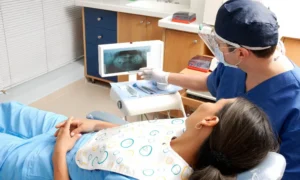
Early tooth decay doesn’t hurt. You can’t see it without a dentist’s help. It shows up on X-rays or as a small white or chalky spot on your tooth. That white spot means minerals have started leaking out, but the surface is still mostly intact.
At this stage, you might be able to reverse the damage with some changes. Cutting way back on sugar, brushing twice a day with fluoride toothpaste, and using a fluoride rinse can help your enamel pull itself back together.
When Healing Is No Longer Possible
Once that weak spot collapses and creates a visible hole or pit, the game changes. A real cavity means the enamel has broken open. Bacteria and food particles get trapped inside that hole. No amount of better brushing or fluoride will make that hole close up on its own. Your body does not grow new enamel once it’s gone.
At that point, the only way to stop the cavity from getting bigger and deeper is to have Dr. Baldwin clean out the decay and place a filling. Waiting will only make the hole larger and closer to the nerve, which can lead to a root canal or even losing the tooth altogether.
How Saliva Helps Your Teeth Heal
Your saliva is one of your best natural defenses. It washes away food particles, neutralizes acids, and contains calcium and phosphate that your teeth use to rebuild weak spots. That’s why people with chronic dry mouth tend to get far more cavities than everyone else. Chewing sugar-free gum after meals is a simple way to get your saliva flowing and give your teeth a fighting chance.
What Actually Works to Reverse Early Decay
If you have those early white spots and want to try remineralizing them before they turn into real cavities, focus on these steps:
- Use fluoride toothpaste twice a day and don’t rinse immediately after spitting
- Cut back on sugary snacks and sips between meals
- Drink more water, especially if you have dry mouth
- Ask Dr. Baldwin about prescription-strength fluoride products
- Keep up with your regular cleanings so small problems don’t sneak up on you
Protect Your Oral Health Today
That viral post claiming you can heal a real cavity with coconut oil or special supplements isn’t telling you the whole story. Early decay? Yes, that can sometimes be reversed. A hole in your tooth? No, that needs a dentist.
The best approach is simple: catch problems early by showing up for your regular exams. That way, you might avoid the drill after all.
If you aren’t sure whether a spot on your tooth is early decay or a real cavity, come see us. Dr. Baldwin will take a quick look, give you an honest answer, and help you figure out the right next step. No judgment, just help.